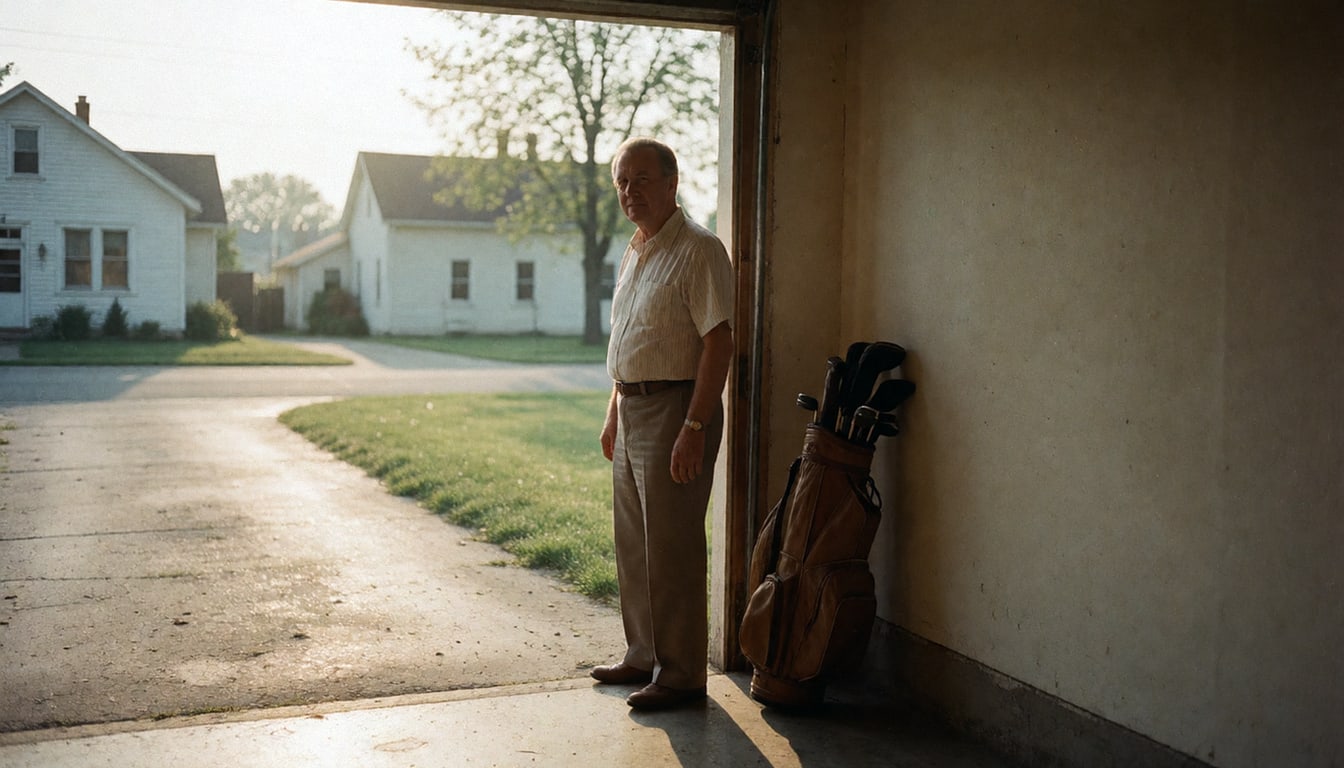

Almost every successful client has the same quiet problem. They built the wealth and never built the life.
You see it all the time. The couple who talked about Italy for fifteen years and never went. The man who wanted a sailboat and decided to wait until he had more time, which turned out to mean never. The retiree with plenty in the bank who still flinches at booking the trip.
Money was never the issue. Permission was. They spent forty years being told to save, defer, and be responsible. Nobody ever told them it was safe to enjoy what they built.
Here is the uncomfortable part. This is an advisor problem, not a client problem. Most of our training reinforces accumulation. We are very good at helping people grow a number and strangely quiet about helping them use it. We treat spending as the thing to manage down rather than the whole point.
The job includes giving permission. Helping clients turn some of that wealth into memory, experience, and time with the people they love while they are still able to enjoy it.
This is the heart of the Experiences pillar at Dream Architect Life. It is a structured way to surface what a client actually wants and then build it into the plan so it happens on purpose, not someday.
A few things make it real. Run a bucket list audit and write down what they have been putting off. Ask the ten year question. If your health and money stayed exactly as they are, what would you regret not doing in the next ten years? Then fund those experiences the same way you would fund any other goal, with a line in the plan and a date attached.
When you do this, something shifts. The client stops seeing you as the person who tells them no and starts seeing you as the person who helped them finally say yes. That is a relationship that lasts.
Wealth is not the destination. It is the vehicle. Help your clients actually drive it somewhere.