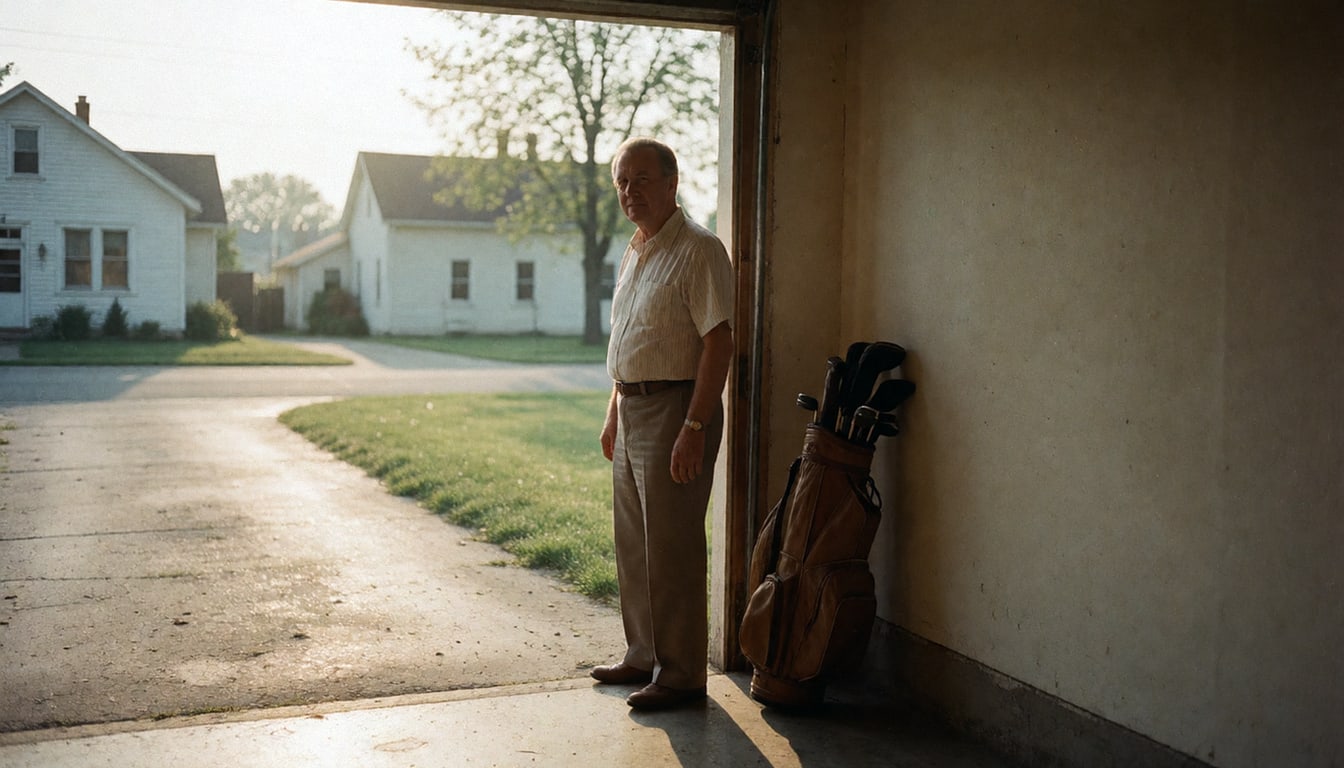

The call comes in at four thirty on a Friday. A client's wife has been diagnosed. He's calling because he doesn't know what happens next, and you're the one person outside his family he trusts enough to say that to.
There's no module in the CFP curriculum for that. No continuing education credit that covers how to sit with someone whose life has just changed shape.
That's the job now, and it has been the job for a long time. The advisors who can do it well are the ones whose clients stay through three market cycles and a change of firm.
You don't need perfect words. You need a structure you have thought about before the call arrives. Five conversations turn up in every long relationship, and preparing for them on a quiet Tuesday is easier than improvising on a Friday afternoon.
The life transition conversation
Something has happened. A diagnosis, a death, a business sold, a marriage ending. The client doesn't want your analysis yet. He wants to be heard, and then he wants to know what the next ninety days look like.
Your job is to slow the conversation down and separate what has to be decided this month from what can wait until the autumn. Most of what feels urgent in the first week isn't. Saying that out loud, with a written list in front of him, does more for a client than any reallocation you could make that week.
The conversation about what they are actually worried about
Clients rarely volunteer the real fear. They'll ask about the market when the thing keeping them awake is their son's spending, or whether they'll be a burden to their daughter at eighty-five.
You have to ask directly, and then wait. The answer usually arrives after the silence has gone on long enough to be uncomfortable. Ask it once a year and write down what comes back, because the answer moves.
The family dynamics conversation
Adult children, aging parents, and an inheritance that three people have quietly assumed three different things about. This is where multigenerational planning starts, and most firms skip it because it feels like none of their business.
It is your business. You're the only professional in the client's life who sees the money and the family at the same time. Getting expectations into the open while everyone is healthy is most of the work.
The purpose conversation
This one matters most for clients inside five years of retiring. They've spent thirty years answering what they're retiring from. Almost nobody has asked them what they're retiring to.
The question sounds soft and the consequences of skipping it are concrete. A client with no answer will underspend for a decade, stay three years too long at a company he's finished with, or ask you to build a plan around a life he doesn't actually want.
The legacy conversation
This runs wider than the estate documents. It covers what a client wants to be remembered for, by whom, and what he wants the money to mean to the people who receive it.
Once a client has said those things out loud to you, you know why the account exists. That understanding is difficult for a competitor to replicate with a better pitch and eight basis points.
None of these five need a script. They need you to have decided in advance to ask, and they need somewhere for the answers to live once they arrive. At Dream Architect Life all five run through the Vision meeting and land on the Dream Board, so every advisor in the firm asks them the same way and the answers are still there in five years.
That's the kind of loyalty that never appears on a fee schedule.